

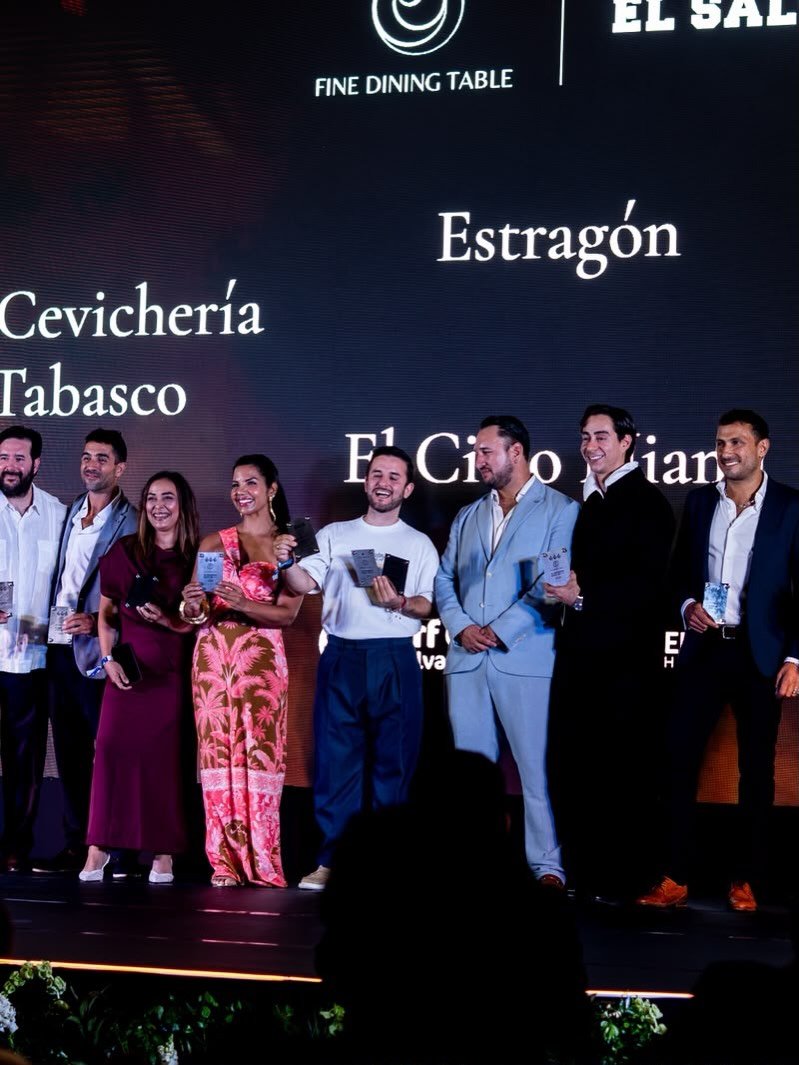
Fine Dining Table brought together chefs, restaurateurs, hospitality experts, specialized journalists, and authorities to honor the finest representatives of Latin American gastronomy and hospitality.
By Ana Lisa
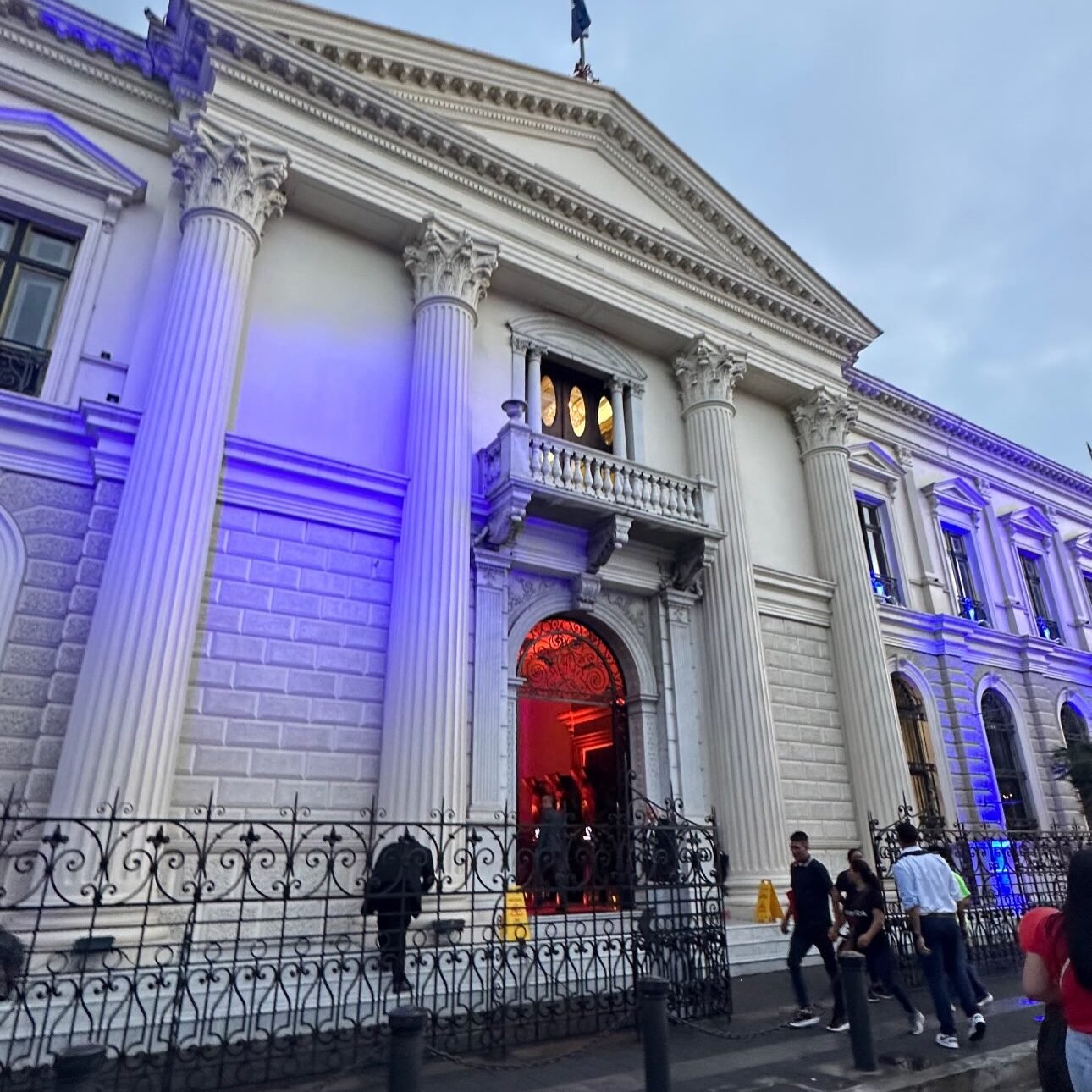
Chefs agreed that Panama’s participation helps increase the international visibility of local cuisine, strengthens collaboration among regional cooks, and solidifies the country as an increasingly attractive destination for travelers seeking culinary experiences. La Estrella de Panamá was the only Panamanian media outlet invited to the Fine Dining Table International Gala, held at the National Palace of El Salvador—an event that gathered chefs, restaurateurs, hospitality experts, food journalists, and officials to celebrate the leading figures in Latin American dining and lodging.
During the ceremony, Panamanian restaurants were honored across various categories recognizing quality of dining experience, service, culinary identity, and hospitality. The gathering served as a prime opportunity to bolster Panama’s presence on the regional culinary map and build relationships with peers across the continent.
Recognized Establishments
- Recommended: Buco Pollo, Cascomar, Bodega Umami, Casa Bruja, Villa Anna, Aya La Vida, Bazar Americano, Lazotea, Ciao Ragazzi, Esa Flaca Rica, El Santuario, Finca Lérida, Itodo Bistro Bar, Hacienda Mamecillo, Luigi’s, Santa Rita, Valentino Siesto, Migny Bistro, Tío Navaja, and The Rock.
- Hospitality Excellence: Hotel La Compañía.
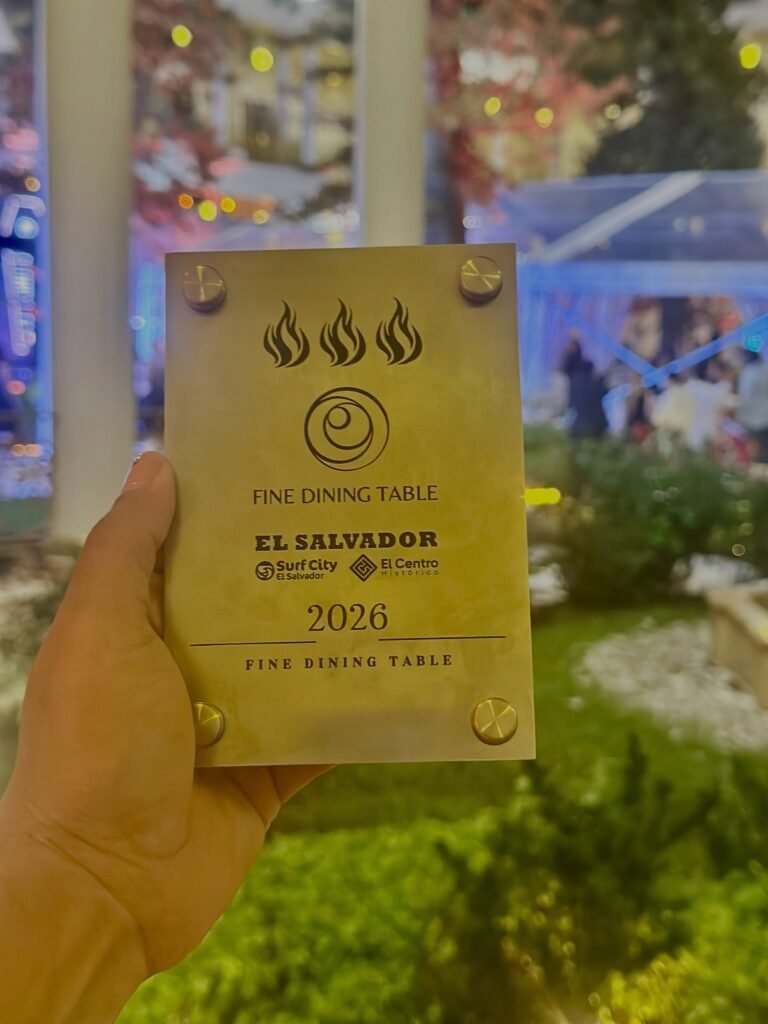
- One Fuego (Un Fuego): La Strega, Richa, Makoto, Mahalo Cocina y Jardín, Ngädri Gastronomía Panameña, Raza, Pedro Mandinga, Lalitta, La Nave, Maito, and Los Años Locos.
- Two Fuegos (Dos Fuegos) (reserved for high-level dining experiences): Caleta, La Tapa del Coco, Mai Mai, Tomillo, Azafrán, El Enemigo, and A To Z Chef’s Table.
Country Projection
In exclusive interviews with La Estrella de Panamá, Panamanian chefs agreed that the inaugural international edition of Fine Dining Table in El Salvador offered a vital platform to strengthen Panama’s presence on the regional culinary map and forge connections with colleagues across borders. For Sergio Landero, chef and partner at La Nave de Bier Klooster, the event was far more than an international showcase for the participating venues.
“Rather than a window, I think of it as an open door,” he noted regarding the networking opportunities created throughout the week.
Landero emphasized being able to exchange ideas with chefs from various countries, establish contacts, and pave the way for future collaborations. He added that these gatherings directly raise Panama’s profile on the world stage: “These are the small steps that allow us to step out into the world and become much better known.” Roberto Richa, chef and owner of Richa and 5inco, viewed Panama’s participation through the lens of nation branding. According to Richa, Fine Dining Table highlights the breadth and diversity of Panama’s culinary scene before international audiences and potential visitors: “Panama has every capability to attract not only shopping or beach tourism, but culinary tourism as well.” The chef also stressed that appearing on such lists positions the country within specialized travel circuits. In his view, rather than a rivalry, these initiatives allow restaurants to gain recognition in new markets: “It puts you on the map in a completely different way,” he noted, emphasizing that these distinctions drive continuous improvement and stimulate global interest in Panamanian cuisine.
Álvaro Perrino Calvo, chef and owner of Azafrán, pointed to the sense of community Fine Dining Table fosters among industry professionals. Attending the event for the first time, he affirmed that one of its greatest contributions is community-building within the Latin American culinary trade: “Above all, these events build community.” Perrino noted that these platforms facilitate the exchange of knowledge, techniques, and culinary traditions, while showing the world the caliber of work taking place in each country. He also celebrated Panama’s prominent inclusion: “Panama has been making noise for quite a while now.” For Alfonso de la Espriella, chef and owner of Casa Escondida, the invitation represents growth both for the venues and for Panama’s overall gastronomic reputation. Calling the experience “deeply rewarding,” he noted: “Events like this greatly boost the recognition of both the country and individual restaurants. The only way people will get to know our food is through country exposure that inspires them to come visit.”
Alexander Rojas, chef and owner of Ngädri Gastronomía Panameña, described his participation as an emotional and proud milestone. The Chiriquí-born chef explained that the selection validated their mission in Boquete to champion Panamanian cuisine using local ingredients: “To me, this is a clear sign that we are doing things right.” Rojas also highlighted the honor of representing Panama during the culinary activities in El Salvador, which included a collaborative dinner with international peers. The enthusiastic reception from diners, he noted, confirmed a growing appetite abroad for concepts rooted in Panamanian culinary identity. Meanwhile, Frank Escalona, executive chef at El Enemigo Steak House, placed particular value on the cultural and culinary exchange: “We are seen as a serious culinary force. We cooked side by side with them, and the energy was genuinely fantastic.” Escalona noted that working alongside international peers—sharing recipes, techniques, and trends—keeps chefs in a state of continuous learning and inspiration: “There are very young chefs doing remarkably interesting things, and that pushes us to create new work.”
A Common Ground
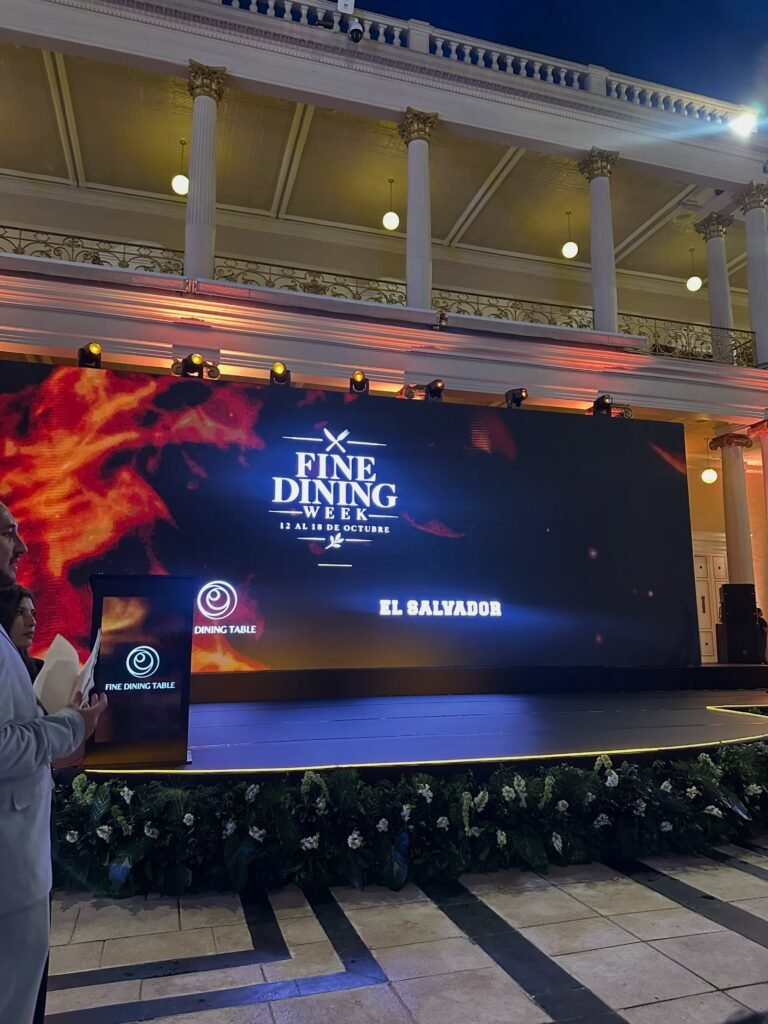
During the gala, Fine Dining Table co-founder José de la Barra emphasized that the organization was founded to shine a light on Latin American talent without relying on outside validation. He explained that the project seeks to recognize the entire ecosystem surrounding a restaurant: cuisine, hospitality, service, design, identity, and consistency.
“Fine Dining Table was born to break that old paradigm—not to ask for permission, but to give credit and celebrate the full legacy of these restaurants,” De la Barra stated, adding that the goal is to position cities like Panama City, Lima, Bogotá, Santiago, and San Salvador as culinary destinations sought after by travelers worldwide.
Co-founder Alexander de Mondey highlighted hospitality as the core pillar of the project, explaining that as technical culinary execution has advanced across the board, the true differentiator lies in how guests are welcomed:
“We didn’t build a club so you would eat better; we built it so you would be received better. True luxury is the ability to make every visitor feel special.”
The Broader Strategy
El Salvador’s Minister of Tourism, Morena Valdez, underscored gastronomy as an essential engine for national economic and tourism growth. During her remarks, she noted that through September 2026, El Salvador had welcomed 3.5 million international visitors—a 37% increase compared to 2019.
Valdez explained that the country is focused on elevating service standards and encouraging longer stays, citing gastronomy as a catalyst for social and economic transformation. She also pointed out that roughly 80% of travelers consider dining options when choosing a destination:
“We are here to transform lives through gastronomy,” Valdez told the gathered chefs, highlighting the widespread impact of the food value chain on producers, cooks, waitstaff, managers, and local entrepreneurs.
The Fine Dining Table Gala concluded as a coordinated regional effort to establish Latin American gastronomy as a world-class travel draw, honoring those who champion cultural identity from the kitchen and the front of house.


 English
 Spanish